


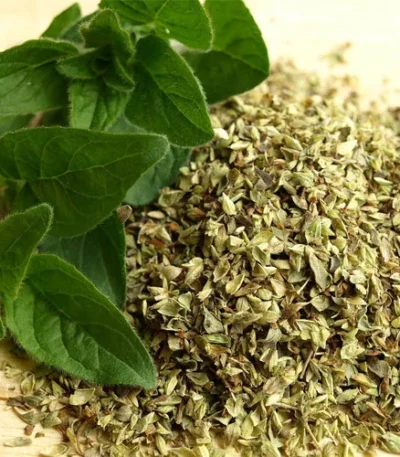
| Pizza Herbs | Oregano Leaves |
Oregano leaves 🌿 are aromatic herbs from the mint family (Lamiaceae), widely used in Mediterranean, Italian, and Mexican cuisines. Besides their bold, earthy flavor, they are packed with antioxidants and healing properties—both in fresh and dried form.
🌱 Nutritional Content (Per 1 tsp dried oregano / ~1g):
-
Calories: ~3 kcal
-
Carbohydrates: ~0.7g
-
Fiber: ~0.4g 🌾
-
Protein: ~0.1g
-
Fat: ~0.1g
-
Vitamins & Minerals:
-
Vitamin K: Very high (over 60% of RDA) 🩸
-
Vitamin A: Present in moderate amounts 👁️
-
Iron: ~4–5% of RDA 🩸
-
Calcium, Magnesium & Manganese: Small amounts 🦴⚙️
-
Dried oregano is more concentrated in flavor and nutrients than fresh oregano.
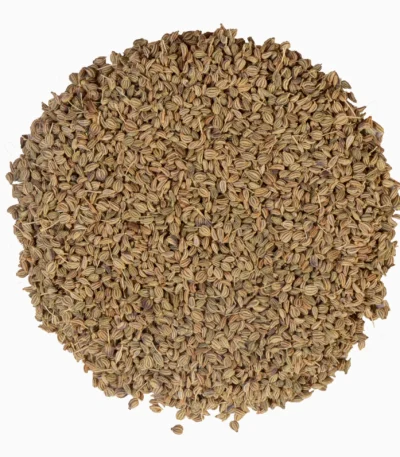
Ajwain Desi / اجوائن دیسی
₨ 40 – ₨ 900اجوائن دیسی (Desi Ajwain)، جسے انگریزی میں Carom Seeds اور سائنسی نام Trachyspermum ammi سے جانا جاتا ہے، ایک نہایت قیمتی اور خوشبودار بیج ہے جو کھانوں میں ذائقہ بڑھانے اور دوائیوں میں شفا کے لیے استعمال ہوتا ہے۔
🌿 اجوائن دیسی کے اہم فوائد
💨 1. ہاضمہ کی بہتری
-
اجوائن میں تھائمول (Thymol) نامی جز ہوتا ہے جو ہاضمہ کو بہتر بناتا ہے، گیس اور بدہضمی کو کم کرتا ہے۔
-
کھانے کے بعد اجوائن چبانے سے پیٹ کی جلن اور کھٹی ڈکاروں سے نجات ملتی ہے۔
🦠 2. اینٹی بیکٹیریل اور اینٹی فنگل
-
اجوائن کے بیج قدرتی جراثیم کش (antiseptic) اور سوزش کش (anti-inflammatory) اثرات رکھتے ہیں۔
-
منہ کی بدبو، دانت درد، اور گلے کی سوزش میں مفید ہے۔
🩺 3. بلغم اور کھانسی کا علاج
-
دیسی اجوائن کھانسی، نزلہ، اور بلغم کے اخراج میں مدد دیتی ہے۔
-
اجوائن کو پانی میں ابال کر پینے سے سینے کی جکڑن کم ہوتی ہے۔
♀️ 4. خواتین کے مسائل میں مفید
-
ماہواری کی بے ترتیبی، درد اور پیٹ کے مروڑ میں فائدہ مند۔
-
بچے کی پیدائش کے بعد رحم کی صفائی میں مدد کرتی ہے۔
⚖️ 5. وزن میں کمی
-
اجوائن کا قہوہ میٹابولزم تیز کرتا ہے، جس سے چربی پگھلنے میں مدد ملتی ہے۔
🦷 6. دانت درد اور بدبو میں فائدہ مند
-
اجوائن کو نمک کے ساتھ چبانا دانتوں کے درد اور منہ کی بدبو کے لیے بہترین علاج ہے۔
🧪 غذائی حقائق (100 گرام میں تقریباً)
| جزو | مقدار |
|---|---|
| کیلوریز | 305 kcal |
| فائبر | 39 g |
| پروٹین | 16 g |
| چکنائی | 25 g |
| کیلشیم، آئرن | بہت زیادہ |
| تھائمول | موجود (فعال مرکب) |
☕ استعمال کے طریقے
-
اجوائن کا قہوہ:
-
1 چمچ اجوائن 1 کپ پانی میں ابال کر صبح نہار منہ پئیں۔
-
-
کھانے کے بعد چبانا:
-
تھوڑا سا اجوائن اور کالا نمک ملا کر چبائیں، بدہضمی سے نجات ملے گی۔
-
-
اجوائن کا بھاپ:
-
نزلہ و زکام میں اجوائن کو پانی میں ڈال کر بھاپ لیں۔
-
⚠️ احتیاط
-
زیادہ مقدار میں استعمال سے معدہ میں جلن یا زخم ہو سکتے ہیں۔
-
حاملہ خواتین صرف ماہر حکیم یا ڈاکٹر کے مشورے سے استعمال کریں۔
-
روزانہ 1–2 چٹکی اجوائن کافی ہوتی ہے۔
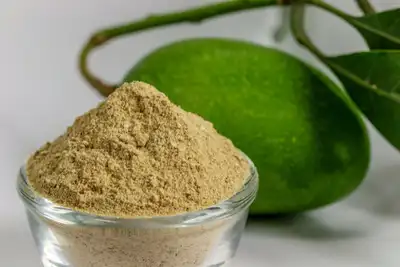
Amm Chor Mango | Khatai Powder |
₨ 150 – ₨ 600Mango powder, also known as amchur or amchoor, is a tangy, citrusy spice made from dried unripe green mangoes. It’s commonly used in Indian cuisine to add a sour punch to dishes and also offers a range of nutritional and health benefits. 🌿🥭
🧂 Nutritional Content (Approx. per 100g of Mango Powder):
-
Calories: ~320 kcal 🔥
-
Carbohydrates: ~75g 🍞
-
Dietary Fiber: ~12g 🌾
-
Sugars: ~50g 🍬
-
Protein: ~5g 💪
-
Fat: ~1g 🧈
-
Vitamins & Minerals:
-
Vitamin C: ~45 mg 🍊
-
Vitamin A: Trace amounts 👁️
-
Iron: ~5 mg 🩸
-
Calcium: ~100 mg 🧀
-
Magnesium: ~30 mg 💆♂️
-
Potassium: ~700 mg 🍌
-
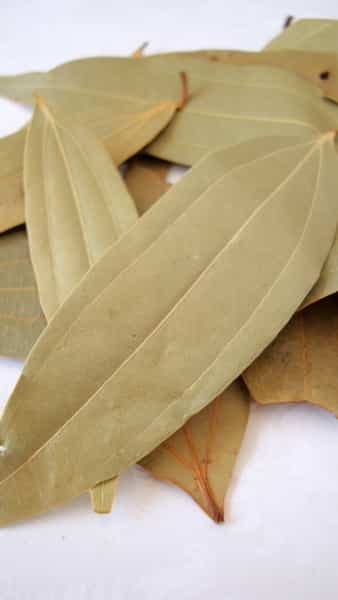
Bay Leaf | Tez Paat, Tez Patta |
₨ 50 – ₨ 1,000🌿 Nutritional Content (per 100g dried bay leaf)
(Note: Typically, much smaller amounts are used in cooking.)
-
Calories: ~313 kcal
-
Carbohydrates: ~75 g
-
Protein: ~7.6 g
-
Fat: ~8.4 g
-
Fiber: ~26 g
-
Vitamins:
-
Vitamin A (188 IU)
-
Vitamin C (~46.5 mg)
-
B-complex (folate, niacin, riboflavin)
-
-
Minerals:
-
Calcium (~834 mg)
-
Iron (~43 mg)
-
Magnesium, potassium, zinc, manganese
-
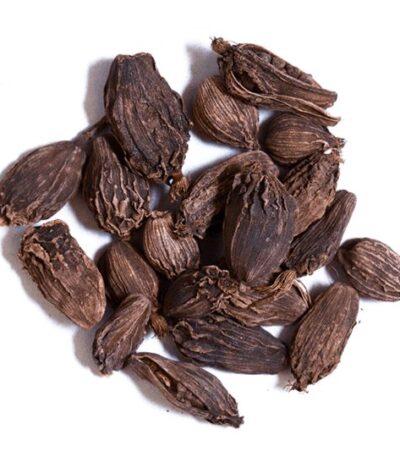
Black Cardamom | Bari Elaichi |
₨ 500 – ₨ 10,000Black cardamom (Amomum subulatum) is a bold, smoky spice used in savory dishes and traditional medicine. It differs from green cardamom in both flavor and health properties.
🌰 Nutritional Profile (per 100g of black cardamom)
(Note: Usually used in small amounts)
-
Calories: ~310 kcal
-
Protein: ~11 g
-
Fat: ~7 g
-
Carbohydrates: ~68 g
-
Fiber: ~28 g
-
Key nutrients:
-
Iron
-
Manganese
-
Calcium
-
Magnesium
-
Potassium
-
Vitamins A and C
-
Essential oils (including cineole, camphor)
-
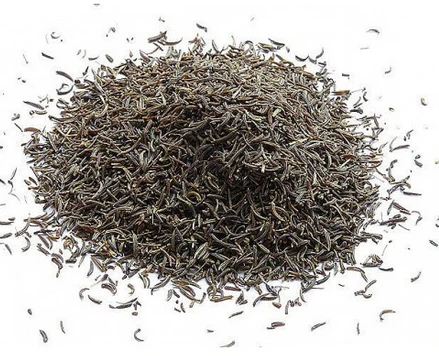
Black Cumin | Zeera Siyaa, Kala Zeera, Kala Jeera |
₨ 200 – ₨ 4,000Black cumin can refer to two different seeds, but most commonly it means Nigella sativa (kalonji), which is also called black seed—you asked about this earlier. However, it can also refer to Bunium bulbocastanum, a different plant used in some Middle Eastern and Mediterranean regions. Here’s a clear summary focused on the most common one—Nigella sativa (black cumin/black seed/kalonji):
🌿 Black Cumin (Nigella sativa) Overview
🧬 Nutritional Value (per 100g of seeds)
(Remember: Used in small doses, like spices)
-
Calories: ~345 kcal
-
Protein: ~17 g
-
Fat: ~22 g (with omega-3 & omega-6)
-
Carbs: ~44 g
-
Fiber: ~10 g
-
Vitamins: B1, B2, B3
-
Minerals: Iron, calcium, magnesium, zinc, potassium
-
Active compounds: Thymoquinone (most powerful antioxidant and anti-inflammatory agent)
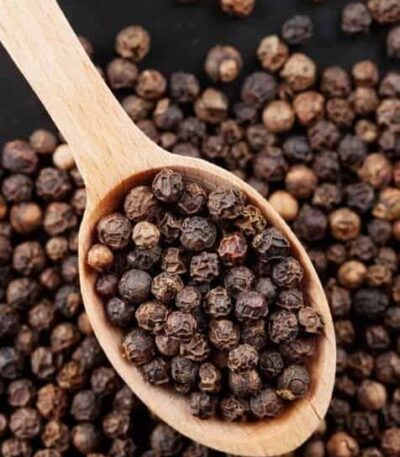
Black Pepper | Kali Mirch |
₨ 650 – ₨ 2,600Black pepper (Piper nigrum)—often called the “king of spices”—is more than just a common kitchen staple. It’s rich in flavor, nutrition, and health benefits due to its key compound piperine, which gives it its sharp heat and medicinal properties.
🌶️ Nutritional Profile (per 100g of black pepper)
(Typically consumed in small amounts)
-
Calories: ~251 kcal
-
Protein: ~10 g
-
Fat: ~3.3 g
-
Carbohydrates: ~64 g
-
Fiber: ~26 g
-
Minerals:
-
Iron (~9.7 mg)
-
Calcium (~440 mg)
-
Magnesium, potassium, phosphorus
-
-
Vitamins:
-
Vitamin K, C, some B vitamins
-
-
Active compound: Piperine
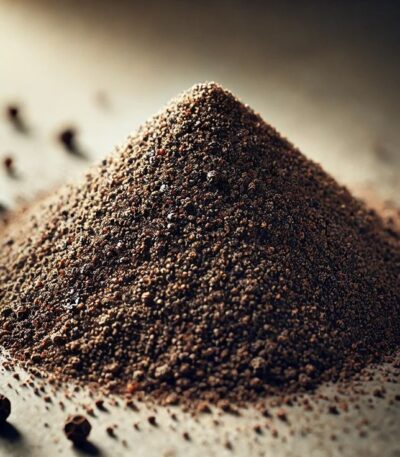
Black Pepper | Powder |
₨ 260 – ₨ 2,600Black pepper powder is simply the ground form of black peppercorns (Piper nigrum) and carries all the benefits of whole black pepper, but is more convenient for cooking and home remedies.
Here’s a quick overview:
🧂 Black Pepper Powder – At a Glance
🔬 Nutritional Value (per 1 tsp / ~2.3g)
(Small amounts are typically used)
-
Calories: ~6 kcal
-
Carbs: ~1.5 g
-
Fiber: ~0.6 g
-
Iron: ~0.2 mg
-
Calcium: ~10 mg
-
Potassium: ~30 mg
-
Active compound: Piperine (responsible for most health effects)
Black Salt | Kala Namak |
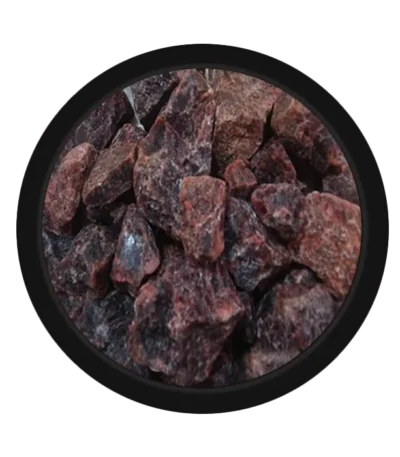
₨ 200 – ₨ 800Black salt, also known as Kala Namak, is a type of rock salt with a distinctive sulfurous smell and taste, widely used in Indian cuisine and Ayurvedic medicine. Despite the name, it’s usually dark pink to purplish-brown when ground.
🧂 Black Salt (Kala Namak) – Key Facts
⚖️ Nutritional Value (per 1g – approx. 1/6 tsp)
-
Calories: 0
-
Sodium: ~380 mg
-
Iron: Trace amounts (can vary)
-
Potassium, Magnesium: Trace minerals
-
Sulfur compounds: Responsible for its eggy smell/taste
🔹 Less sodium than regular table salt, but still should be used in moderation.
Black Seeds | Kalvanji |
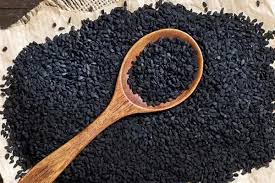
₨ 120 – ₨ 1,200Black seeds—also known as black cumin, Nigella sativa, or kalonji—have been used for centuries in traditional medicine and cuisine. Here’s a full overview of their nutritional value, health benefits, and common uses:
🌱 Nutritional Profile (per 100g of black seeds)
-
Calories: ~345 kcal
-
Protein: ~17 g
-
Fat: ~22 g (includes healthy fats like omega-3 and omega-6)
-
Carbohydrates: ~44 g
-
Fiber: ~10 g
-
Key Nutrients:
-
Iron
-
Calcium
-
Magnesium
-
Zinc
-
B vitamins
-
Antioxidants (notably thymoquinone)
-
Chilli Flakes | Dara Mirch |
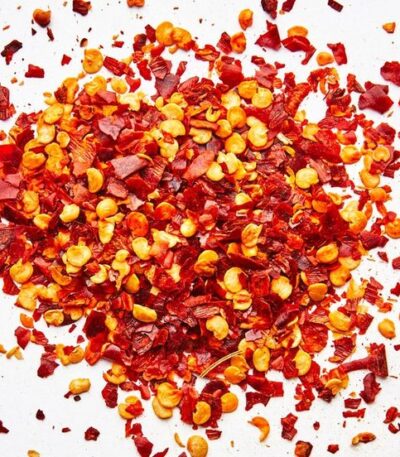
₨ 250 – ₨ 1,000Red chilli flakes (also known as crushed red pepper) are made from coarsely ground dried red chillies, often including seeds, which gives them a spicy, bold kick. They’re widely used as a seasoning and garnish in Italian, Mexican, Indian, and Asian cuisines.
🌶️ Red Chilli Flakes – Overview
-
Texture: Coarse, flaky bits (skin + seeds)
-
Flavor: Spicy, sharp, slightly smoky
-
Color: Bright to dark red with yellow-white seeds
-
Heat level: Medium to hot depending on the chilli type used (like cayenne or Guntur)
🔬 Nutritional Value (per 1 tsp – ~1.8g)
-
Calories: ~6 kcal
-
Carbs: ~1.2 g
-
Protein: ~0.2 g
-
Fat: ~0.3 g
-
Fiber: ~0.6 g
-
Vitamin A: Very high (from beta-carotene)
-
Vitamin C: Present in fresh chillies, less in flakes
-
Capsaicin: Active compound for heat and health benefits

China Namak | China Salt |
₨ 150 – ₨ 600China salt is a term often used for monosodium glutamate (MSG), which is a flavor enhancer commonly used in Asian cuisine, especially in Chinese cooking. It has a reputation for enhancing savory or umami flavors in food.
🧂 China Salt (MSG) – Key Facts
⚖️ Nutritional Profile (per 1g of MSG)
-
Calories: 0 kcal
-
Sodium: ~500 mg
-
Carbohydrates: 0 g
-
Fat: 0 g
-
Protein: 0 g
-
Glutamate: The primary active ingredient in MSG responsible for its flavor-enhancing effect.


